Tag: sandiego

  • Refilling Resilience: An Interview with Lowell Jooste of LJ Crafted Wines

    Refilling Resilience: An Interview with Lowell Jooste of LJ Crafted Wines

    How can you get rid of a wine bottle?

    Lowell Jooste, of LJ Crafted Wines, is searching for that answer.

    Using his patented technology to serve his wines in refillable growlers, Lowell Jooste has saved over 154,000 single-use glass wine bottles from the landfill — and is changing the way San Diegans drink wine.

    In the interview below, we explore topics such as the importance of team culture, building sustainability and environmental resilience into the wine industry, and the challenges of opening and operating a business.

    I’m chiefly interested in the concept of resilience — personal, communal, and societal. What does the concept of resilience mean to you and LJ Crafted Wines?

    I think just being focused on our concept, ensuring that it works, and having a good helping of determination. My wife Anne is the same way when it comes to the business. At the same time, we’ve had fantastic staff and a fantastic team, and they’ve all become part of it!

    Putting a great team behind it all is so important. In the beginning of the business, we were just constantly fixing problems — and now, with our team and their experience, we’re able to look ahead and get ahead of issues.

    So the team, the culture, and your experience helps you stay resilient?

    I believe so. You can take out insurance and whatnot, but that doesn’t really give your resilience. If something goes wrong, you need to have faith in your product and your team.

    Good point. So, let’s get into your product!

    San Diego is primarily known for our craft beer scene, not necessarily our wine. How has your wine been received, not just in San Diego, but in the overall scene? Do you feel that there is there any competition with the beer scene?

    I’d say that we have a bit of a different demographic to a brewery. The people who come to us come to enjoy their wine in a chilled-out atmosphere. It’s very different to a brewery where you have televisions going, sports on, and things like that. Our demographic is actually probably primarily a female demographic, whereas in the beer industry it’s more male.

    I think the wine has been very well received! We’ve been fortunate to be able to get very good grapes up in Napa Valley, and we’ve had very good quality control.

    Honestly, I see beer as another form of beverage. I don’t really see it as direct competition. We do offer some beer for customers who prefer it, but we go through very little beer.

    LJ Crafted Wines’ totally reusable bottles!

    You have deep experience in the wine scene. Can you talk about the move from owning and working a vineyard to owning and working an urban winery?

    I’d say it’s very different! Previously we were growing the grapes, making the wine, and then afterwards packaging it, selling it locally, and also walking the streets of the entire world trying to sell it. Whereas now, we are really just selling to a community in a small radius. It’s definitely a big change.

    For myself, the biggest change is that I am no longer managing a reasonably big team. I’m much more hands-on now, doing things that I’d ask other people to do previously. And I’m really enjoying it — I’m much more hands-on with the wine itself.

    Does that create a deeper connection with you and the business?

    I think it’s just very different — but I’m enjoying using my own hands!

    You moved from South Africa to La Jolla in 2012, and opened up LJ Crafted Wines in 2015. Can you talk about how opening the business went? What lessons did you learn?

    Well, obviously, as new immigrants to the US, things worked a little bit differently here. All the laws regarding alcohol are different, and every country’s got its own way. It was really a way of figuring out where we wanted to end up and how to get there. We hit a few bumps along the way, I’d say the first one was about a year after we made our first wine. We had about 60 barrels of Cabernet Sauvignon, Chardonnay, and Pinot Noir up in Napa, and then the earthquake came in August 2014. It was devastating. Exactly half of everything was destroyed.

    And then I think our other problems might have been even bigger. During our tenant improvement, we ran into all sorts of issues being on a slope and dealing with disability rules. We had to fix up a sloped sidewalk in front of us and change the levels of the floor inside our building, which tripled the cost of the tenant improvement budget we had originally set.

    But, you know, once you’re into it, you just have to finish it off. At first, we had reasonably high staff turnover, but luckily now, among the eight or so staff, I think we have a turnover of maybe one staff member a year. So that’s made us much more solid as a business and given us more resilience in dealing with adversity. And it’s nice not having to train the whole team again!

    And then I think the other side of it was trying to get a brand new concept going that hadn’t been seen in the wine industry and educating staff about it. The idea of using refillable glass bottles instead of normal wine bottles with a capsule and cork is quite different, so that posed a challenge.

    I like what you just said — once you’re in it, you just have to see it through! That mindset has held true for you guys throughout owning the original winery, and now LJ Crafted Wines?

    Yes — we’re determined to make this a success! It’s very exciting to work on something that makes sense both sustainably and economically.

    Can you talk about the biggest success that you’ve had with LJ Crafted Wines? Any large milestones?

    The biggest success is simply showing how many single use bottles we’ve saved using our proprietary technology, the Wine Steward®! If we look at LJ Crafted Wines, the concept is actually pretty old. People would go to the local winery, fill up their container, and take it home. That’s what we are doing, except now we’re using some modern technology that we’ve developed. In the old days, the container that the wine would’ve come from would’ve eventually gone bad because it would’ve oxidized. And with our new technology, the airspace that’s in the barrel has no oxygen in it, so that the wine will always stay completely fresh until the barrel is finished. We’ve also made a lot of strides in sanitation, obviously. But otherwise, it’s just finally improving on an idea that’s been around for centuries.
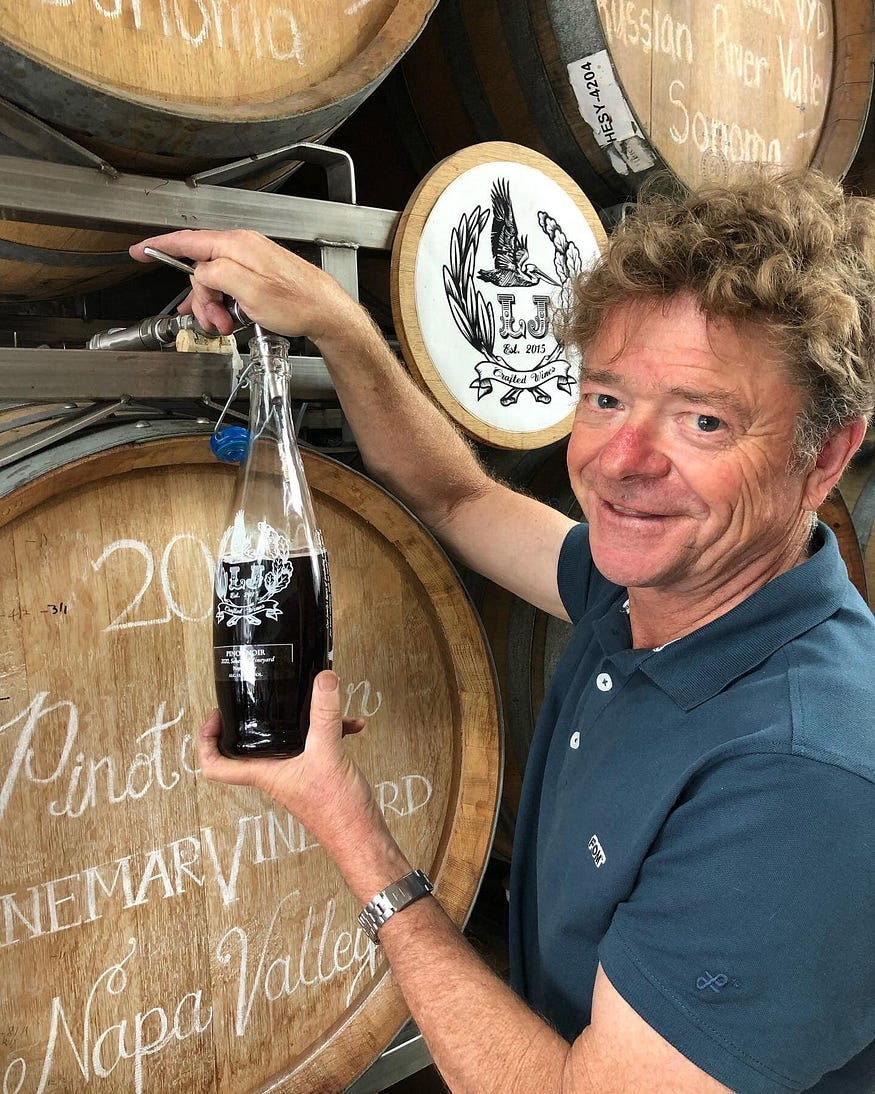
    Lowell Jooste pouring a reusable growler, using his patented barrel technology!

    Can you talk about the process of developing your wine technology, the Wine Steward®? Was it something that you’ve always been interested in creating, or did you one day just realize it was a niche that needed to be filled?

    I think it was just about filling a niche. Honestly, I always felt that wine tasted better just straight out the barrel — after it comes out of the barrel in a normal winery, it’ll go through filtration and preservation, a bunch of things like that. And every time you filter a product, you remove character.

    I felt that would be really great if we could just offer the wine as it is, directly out of the barrel. And the other side of it was, if we could copy a bit of what the beer industry does, and somehow use refillable bottles. We saw that as the goal, and then it was a matter of saying, “How do you get there?” and working backwards.

    So it wasn’t just a fluke, we actually worked backwards to get there!

    While you’ve avoided using over 154,000 glass bottles using your from-the-barrel technology, there’s still a long way to go in the wine industry. Do you still see single-use glass bottles as the primary elephant in the room? Are there other areas you see that the wine industry (whether in production, farming, etc) that the wine industry can make strides in sustainability?

    The wine industry has witnessed remarkable developments, particularly concerning vineyard practices. There’s a growing sensitivity towards using fewer spray materials, and significant efforts are being made to explore more organic farming methods. From an environmental perspective, studies have revealed that nearly half of the wine industry’s carbon footprint is attributed to glass bottles — a substantial concern we need to address. While some argue that glass bottles can be recycled, this process doesn’t substantially reduce their carbon footprint, as collecting, melting, and redistributing them requires considerable energy due to their weighty nature.

    Prior to COVID, around 70% of wine bottles in the US were imported from China, which involved shipping heavy bottles across oceans for single use, which is an environmentally unsound practice.

    However, despite these challenges, I believe there’s room for change. Many wineries would like to explore alternative packaging options, but there’s concern that deviating from the traditional glass bottle might affect their brand’s image. Yet, we can initiate changes on a smaller scale — starting from the wineries themselves. For instance, tasting rooms could use refillable bottles for all wines consumed there, and wineries could consider using refillable bottles for events and functions they host. By highlighting the environmental benefits and offering simple explanations to customers, such initiatives could gain traction.

    While it may require some logistical adjustments, starting with a few wines at a winery could be an excellent trial. If one approach doesn’t work, there’s always room for trying something else. Overall, it’s a doable and worthwhile endeavor that has the potential to make a positive impact in the wine industry.

    Do you plan to roll your wine technology out to other wineries?

    Well, we would like to do that in the future. At the moment, we’ve been too involved in just our little business here and living in the community. I haven’t really gotten out there yet.

    I can totally see wineries benefitting from your technology — I think about the wine tastings I’ve been a part of, and looking at how many bottles those wineries go through is incredible!

    It will definitely save them a lot of money! Those tasting rooms can tell you how quickly their empty bottle bin fills up. They could do it with reusable bottles so easily!
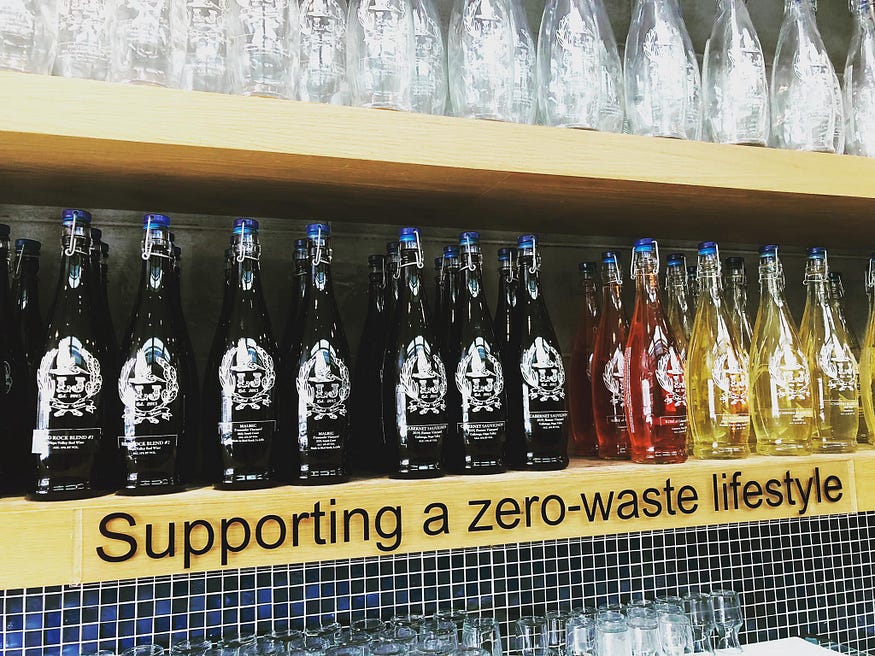
    The refillable bottles at LJ crafted Wines support a zero-waste lifestyle — and the wine is darn good, too!

    How do you balance the demands of running a business with the desire for sustainability? Do you see more economic difficulties or economic benefits for LJ Crafted Wines associated with your green efforts?

    The benefits have been significant! We’ve been able to streamline our entire operation, making it run a lot more smoothly. Our winemaking process in Napa and the transportation of barrels down here have been great. We’ve also been fortunate to receive strong support from the local community, and the wine club and refill bottle club have played a vital role, especially during the challenges of COVID. They were a source of immense support during that time.

    Additionally, with the recent surge in glass prices worldwide and availability issues, we’ve noticed that many bottles are kept in garages and homes. We’ve encouraged people to bring back their bottles, and we are offering refunds for their deposits. We actually had to send out an email to ask for our bottles back. As far as we know, we might be the first to ask for bottles to be returned!

    What’s next for LJ Crafted Wines?

    We’re actually about to start a direct to consumer shipping business and use cans! We are rolling out some 750 ml screwcap lightweight cans. These will be single-use, but will be easy to recycle and in an environmentally friendly container.

    Interesting. I feel like I’ve been seeing more wine in cans around.

    I definitely think we will be seeing more wine in cans. The problem is, the market right now is generally the cheaper end of the wine industry. No one puts up-market wine in a can, and I think for many consumers it’s a tough thing to overcome. People just like to have a bottle and cork!

    Although, we’ve already overcome that perception once. When we started, no one had really seen wine in growlers. We used an elegant bottle, and said, “This is a 1Liter bottle for the same price as a 750ml bottle — you’re getting an extra 250ml since you’re not paying for all of that packaging!” Everyone seemed to like the growler after that!

    It probably also helps that your quality is good — the wine speaks for itself!

    I completely agree. We’ve had great quality control up in Napa and the community has definitely started to appreciate that. I’m proud of the wines we serve people, and think they will stand up with any other wines in Napa.

    What are the best ways for people to learn more about, or get involved with, LJ Crafted Wines?

    Come and visit us — and join the wine club!

    Want to learn more? Go more in depth here:
    LJ Crafted Wines Website

    The Wine Steward® Bottle-Free System

    Interview with VinePair

  • Harvesting Resilience in San Diego County: An Interview with the San Diego County Farm Bureau

    Harvesting Resilience in San Diego County: An Interview with the San Diego County Farm Bureau

    Recently, I got the opportunity to speak with the San Diego County Farm Bureau — a non-profit organization tasked with fostering San Diego agriculture through education, public relations, and public policy advocacy. As someone who’s primarily lived in the urban parts of San Diego, I was shocked to learn that San Diego is ranked #1 in the United States in part time farmers, nursery crops, and avocados — and is home to more small farmers (less than 10 acres) than any other county!

    In this interview, you’ll learn how farmers, large and small, contribute to San Diego’s local economy, communities, and food production. You’ll learn about the problems farmers are facing and how they’re striving to overcome them, and how you can support the farmers, large and small, in our community.

    If you’d like to learn more and connect with the San Diego County Farm Bureau, you can connect with them on their website.

    I’m chiefly interested in the concepts of resilience — personal, communal, and societal. Farms are such an integral part of a community’s health and economic development. What does the concept of resilience mean to you and the San Diego Farm Bureau?

    Farmers are the most resilient people when it comes to doing their job, which is providing the community with fresh produce, flora, and fauna. In order to do this, they need to have the persistence to overcome and face the many challenges of farming. Some of these main issues they face include water pricing, pests, labor, and the overburdening of regulations at the local, state, and national levels.

    What are some ways that the San Diego Farm Bureau works to build resilience through the San Diego region and the San Diego farming community? What are some ways that farms contribute to resilience within a community?

    Farms contribute to all civilized societies because they produce the essentials of life. SDCFB helps famers with regulatory compliance, public education, political advocacy and technical training.

    How would you describe the unique character and strengths of the San Diego farming community? What makes it different from other agricultural regions in California and the United States? Can you talk about how San Diego’s small farmers contribute to the local community and food systems?

    Our farming community is vastly different than any other region in California or even in the US — we have a lot of growers who do more with less land. The average acreage size in San Diego County is less than 10 acres, and we have more “small farmers” than any other county! San Diego’s Mediterranean-like climate makes it an ideal place to grow agricultural crops and livestock products. More than 3 million people live in San Diego County, and around 5,000 farmers call it home and use the land to make their living. The direct economic output from agricultural production totaled $1.7 billion in 2021.

    The high cost of water and land make farming here expensive, so San Diego farms have specialized in integrating agricultural activity and urban living by growing crops that optimize limited acres. San Diego far surpasses its fellow top-producing counties in terms of average dollar value per acre with an agricultural production more valuable than other urbanized areas of California, such as San Francisco, Orange County, and Los Angeles combined!

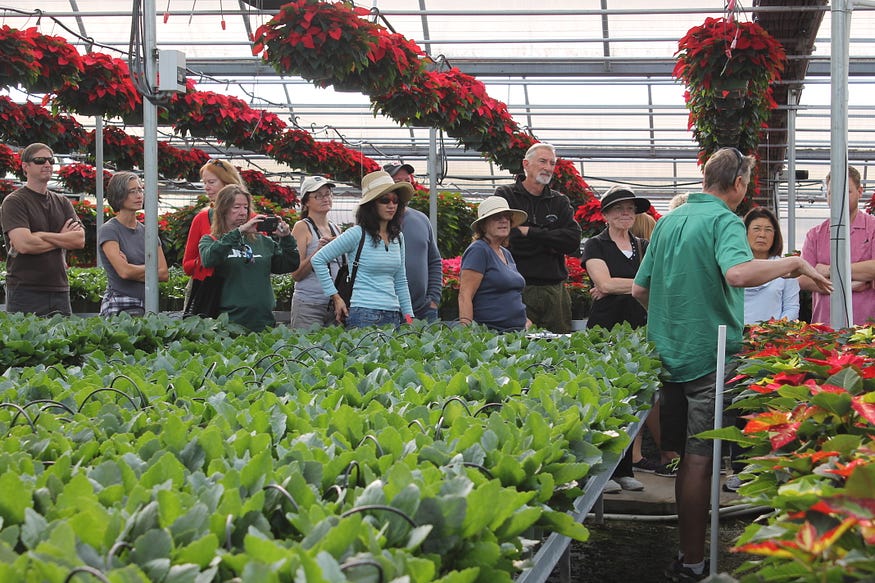
    San Diego has more small farmers than any other county! (Photo Credit: SDCFB)

    Can you talk about the integration between urban living and agricultural activity in San Diego County? Are there any programs in place to continue growing this integration? How does this contribute to community resilience, particularly with food systems?

    The integration between urban living and agricultural activity in San Diego County is simply due to the availability of farmable land. In many ways it can be more of a hinderance, especially when the neighboring residents do not understand certain farming practices. For others, it might provide an educational aspect. We always hope for the latter for our farmers!

    For the farmers who grow and have a farm stand, it is a great way to know where your food comes from and be able to see the fields right next to you — or maybe you see the fields on your way to work every morning, and consumers can develop that relationship with their local farmer. Another interesting wrinkle is that many growers in the county grow nursery and cut-flower wholesale products, so that face-to-face interaction can sometimes be tough.

    Other than that face-to-face interaction, there are many other opportunities to provide education to the public, especially through the education system. There is a program called San Diego Ag in the Classroom that is run with the support of Farm Bureau that provides resources to teachers wishing to add agriculture programming to their curriculum. It seems that people are starting to be a little more knowledgeable of where their food comes from, and want to connect with local farmers. We also host a few events that are geared towards both public and legislative outreach.

    What are some of the challenges facing San Diego’s agricultural industry currently? What are the opportunities?

    There are always the staple issues: water (both availability and cost), invasive pests, labor (it’s increasingly difficult to find labor), and increasing regulation.

    However, there are also definitely opportunities! For example, people are becoming more aware of local farming and its importance. Some look to support their local farmers, which is great! There is also a large movement in Ag Tech (agricultural technology) and there will soon be more opportunities for people to become involved in agriculture without necessarily having to be a farmer. This would also create additional ways for farmers to utilize new ag-tech tools.

    Certain industrial farming practices, such as large-scale monoculture farming, have come under fire recently for what critics say prizes efficiency and profits at the expense of food quality and human, animal, and environmental health. How can farms balance economic viability and growth and food production with environmental concerns?

    As we established earlier, San Diego County farming is small in acreage size yet there are so many crops that can be grown in the climate — there are over 200 crops grown in our region! So “industrial farming practices” are not necessarily something that our farmers participate in, simply because our region doesn’t support that type of farming.

    However, I think it is important to point out that most farming operations nationwide understand that without a good product, you can’t make a profit. Farmers are often perceived as using too many pesticides, yet all the farmers I know are extremely conscious of their usage because they don’t want to be wasteful, and pesticide overuse will affect your bottom line. Similarly, a rancher won’t put their animals through harmful processes, since that isn’t compatible with the goal of producing a product that people will purchase.

    The question of balancing economic viability, growth, and food production with environmental concerns is something that farmers face every day, and I’m afraid there’s not a simple answer to that.

    It appears that sustainable, “alternative” farm methods, such as the concept of permaculture, have been gaining traction in the media. What are some examples of sustainable and regenerative farming practices that are being used by San Diego farmers? Have you seen an increase in these practices?

    The words “sustainable” and “regenerative” have definitely created a buzz. However, these are not new practices — they have been around for centuries! Farmers in our region plant cover crops and utilize mulch to rebuild soil health. We have cattle operations that utilize regenerative grazing practices. Similar to what was mentioned above, no farmer wants to harm their land, which is their livelihood and their legacy. These regenerative practices are important to them and will continue to be.

    Occasionally, there are new studies that come out, or new farming practices that come to light, that are beneficial for the environment and for the crops. For example, there were many farmers who shifted to high density avocado farming — the farmers gain more product with less space, and irrigation is easier since the plants are closer. The trees actually become healthier and grow more efficient canopies and root systems.

    It’s also interesting to note that our avocado growers and cut flower producers utilize space that is often otherwise deemed unusable for other purposes, since their crops are typically on steep, rocky hillsides.

    What do you see as the future of farming and food production?

    The future of farming and food production can sometimes look difficult for producers in California due to increased regulations and legislative rulings that affect the way people farm. It has gotten increasingly difficult to be a farmer in today’s climate. We don’t see a lot of farmers in San Diego who use farming as their main source of income, they work multiple jobs in order to make it feasible. However, as mentioned, it seems that the public are becoming more conscious of the scene and are more interested in supporting local.

    When in doubt, try to support your local farmers! (Photo Credit: SDCFB)

    Water use is always a hot button topic in Southern California. How does water use factor into agricultural practices in San Diego? What do you see as the future of water use and resource conservation when it comes to farming and food supply?

    Water in San Diego County is very expensive, and the cost causes real economic hardship for our farmers in North County. We expect the cycles of drought and water abundance to be more extreme in the coming years, and conservation alone is not going to solve the water problems farmers face. Public policy should include funding for water storage and infrastructure so that rainfall can be captured, and water storage can be maximized.

    Interestingly, conservation regulations are driving the cost of water even higher, which in turn causes more economic hardship, more farm closures, and subsequently reduced consumption and higher prices in a vicious cycle.

    What are some ways that others can build resilience in their own life, especially with regards to food security and food systems? What advice would you give to others exploring the idea of growing their own food for the first time?

    Farming is a lot harder than people think — and I bet a lot of people’s house plants could help illustrate this point!

    There are a lot of local garden centers that are willing to help point interested parties in the right direction, and there is also the San Diego Master Gardeners Association. They have great information on caring for gardens. Luckily, there are a ton of resources out there!

    How does supporting local farms (small, part-time, and full-time) contribute to building resilience in the local food system? What are some ways that consumers can support these farmers?

    Our local farmers contribute $1.7 billion economically to San Diego County. The San Diego County Crop report details the importance of our local food system and economy. Checking out local farmers markets and CSA programs (community supported agriculture), buying direct, farm stands, and agritourism operations are all great ways to be more connected to your food system.

    Buying local produce is a great way to support local farmers, keep money in your community, and ensure you’re consuming a high quality product. (Photo Credit: SDCFB)

    How are you working to communicate the value of San Diego agriculture and educate the general public on the importance of San Diego farms? What are some ways that the local, non-farming community can get involved in your efforts?

    We publish farming news via our magazine, newspaper, email, social media, and website, and proactively seek out media opportunities and speaking engagements to share local agricultural news and successes with our community. We plan events such as “Graze at the Fields” and work with the San Diego Fair to spread the good agricultural word. We host meetings that bring stakeholders together and demonstrate the value of agriculture and the value of working together for the common good. Finally, our membership committee is currently working on a membership level that will be more geared towards public involvement and provide resources to be involved in the local farming scene.

    What are the best ways for people to learn more about the San Diego Farm Bureau, your events, the farms that you support, and the local farming scene?

    We encourage people to visit our website to learn more about what we do and the events we host. We also have tabs that list the farmers markets in the county. We support all farmers within the county. Farm Bureau also teamed up with the UC Cooperative Extension, and you can find some great information on agritourism at San Diego Agritourism Storymap.

    Is there anything that you’d like to talk about that I didn’t ask?

    Farmers are no longer a significant part of the population, but are very significant to the overall economy and the health and welfare of any advanced society. It is vitally important for the non-farming public to understand the issues and challenges of farmers and support a healthy and growing farming foundation for their community.

    Want to learn more? Go more in depth here:
    San Diego Farm Bureau Website

    Thank you to San Diego Farm Bureau County Manager, Taylor Reese, for her help with this interview!

  • Building a Sustainable Blue Economy: Resilience Insights from the Port of San Diego

    Building a Sustainable Blue Economy: Resilience Insights from the Port of San Diego

    I recently had the chance to speak with Port of San Diego Board of Port Commissioners Chairman Rafael Castellanos about the Port’s role in promoting the burgeoning Blue Economy —using the ocean’s resources to build a portfolio of businesses that deliver social, environmental, and economic benefits. Through their Blue Economy Incubator, they’ve managed to help support a number of early-stage, ocean-based startups looking to develop innovative solutions to some of the most pressing environmental challenges.

    In this interview, you’ll learn about the future (and challenges!) the Port of San Diego sees for ocean-based businesses, how the Port of San Diego balances economic development with environmental concerns, and some of the startup successes that have emerged through their Blue Economy Incubator.

    If you’d like to learn more about the Port of San Diego, their incubator, and their mission, you can check them out on their website.

    I’m chiefly interested in the concepts of resilience — personal, communal, and societal. The Port of San Diego is such an integral part of our community’s economic development and life. What does the concept of resilience mean to you and to the Port?

    San Diego Bay has given countless gifts to our region’s people long before any of us were here. As early as 12,000 years ago, the Kumeyaay people nourished themselves with seafood from the bay. And, once considered the tuna capital of the world, the bay continues to nourish us, all while the chapters of history have unfolded. Our beautiful natural harbor and deep-water port has seen people, nations, and industries come and go. Its resources are vast and rich, and we bear a special responsibility to make sure it continues to thrive and provide for all who depend on it, for the environment itself, and for future generations.

    Resilience for us means protecting, preserving, and enhancing the resources of San Diego Bay for many generations to come. We also strive to provide economic vitality and community benefits. We accomplish these things by taking a balanced approach to the maritime industry, tourism, water and land recreation, environmental stewardship, and public safety.

    What are some ways that the port works to build resilience throughout the San Diego region? What are some ways that the Blue Economy can build resilience in our community and beyond?

    As protectors of our air, land, and water, we build resilience through greenhouse gas reduction, sustainable development, water conservation, waste management and responsible business practices.

    The delicate balance of a healthy San Diego Bay ecosystem is upheld through a collaborative network of programs and initiatives, each working on innovative ways to sustain our waterfront. When it comes to the Blue Economy specifically, pilot projects supported through our Blue Economy Incubator have a large focus on coastal resiliency, water and sediment quality, ecosystem enhancement, and more.

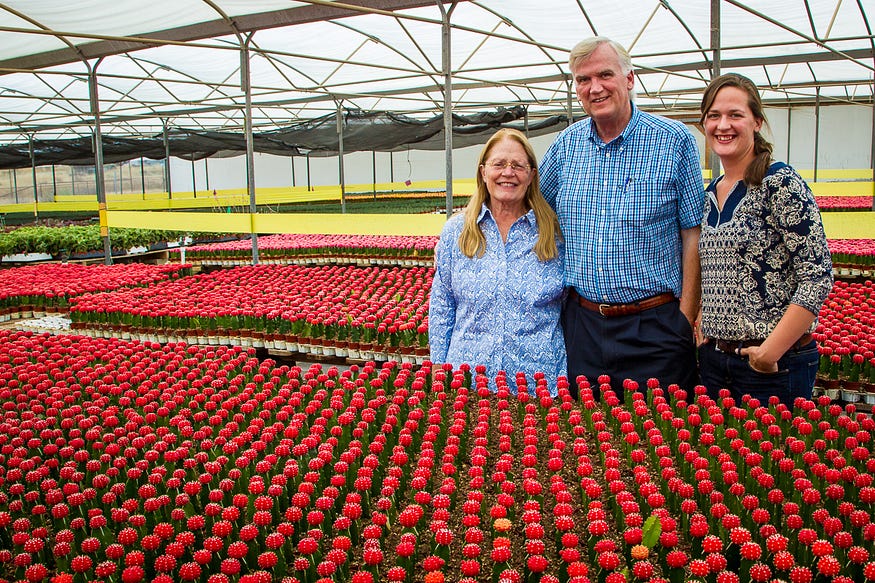
    Overlooking the iconic Port of San Diego (Port of San Diego)

    The Blue Economy is a relatively new concept. Can you talk a little bit more about what that entails? How have you been working to educate this concept to the general public?

    The term, Blue Economy, may be relatively new, but it’s really an age-old concept. Traditionally, the blue economy is made up of many industries like maritime cargo trade, cruise, fisheries, shipbuilding and ship repair, recreational boating, and more. The Port is and has been involved in all of those. More recently, ports are considering how best to support a transition to a more sustainable ocean economy (the Blue Economy). Ports have the potential to act as hubs for blue economy innovation. At the same time, there is an opportunity for ports to diversify their economic base and to become catalysts for the development of new business models that promote the Blue Economy. For the Port of San Diego, through our Blue Economy Incubator, we are trying to build a portfolio of new businesses that deliver social, environmental, and economic benefits to the Port and region. We are striving to advance proposals that are replicable and scalable to help other ports, harbors and coastal communities address similar challenges we face and that in turn support further innovation and investment in the Blue Economy. It is a win-win situation. The Port is learning from the pilot projects, which are addressing existing environmental challenges and informing future opportunities.

    How does the Port collaborate with other organizations in the region to support resilience and sustainability?

    Since the ocean is the focus of the Blue Economy, the region of the Blue Economy ecosystem is the world. The Port maintains a global network of partnerships within the Blue Economy ecosystem and maintains relationships with academic institutions, technology clusters, governments, industries, foundations, and the public.

    One of our recent partnerships is with the U.S. Navy and the Maritime Environment and Technical Assistance (META) program within the United States Department of Transportation’s Maritime Administration. Through this collaborative effort, we are studying carbon sequestration and storage in our bay’s eelgrass beds.

    Eelgrass and other coastal “blue carbon” ecosystems have a unique ability to rapidly capture and store large amounts of carbon. Like all plants, eelgrass absorbs carbon dioxide (CO2), which is stored as organic carbon in their plant material and produces oxygen through photosynthesis. When land plants die, their carbon is released back into the atmosphere as CO2. Unlike land plants, eelgrass is submerged in water, which prevents the release of CO2. Instead, the organic carbon is sequestered into the sea floor sediments. If left undisturbed, this carbon can remain trapped in eelgrass sediments for thousands of years. Eelgrass habitats cover a small fraction of the area forests do on land, yet they can store carbon at rates 30 to 50 times greater than forests.

    This study is an important component to the Port’s ongoing efforts to protect the indispensable resources San Diego Bay provides to our region, and to support state and local climate planning efforts. This study also complements the Port’s growing portfolio of nature-based solution projects like the Blue Economy Incubator.

    What has been the biggest obstacle that you’ve overcome thus far with the Blue Economy Incubator? The biggest success story?

    One of the biggest obstacles we have to overcome with the Blue Economy Incubator is the amount of time it takes to adequately review and consider all the good ideas we are pitched. Through the Blue Economy Incubator, an entirely new procurement pathway was created. The process is well outside of our normal procurement procedures. The perk of this new process is it allows the Port to partner with early-stage companies and support pilot projects and blue economy innovation. While still a relatively new process, we are actively working to improve efficiencies to allow us to scale the program and support more blue technology innovation.

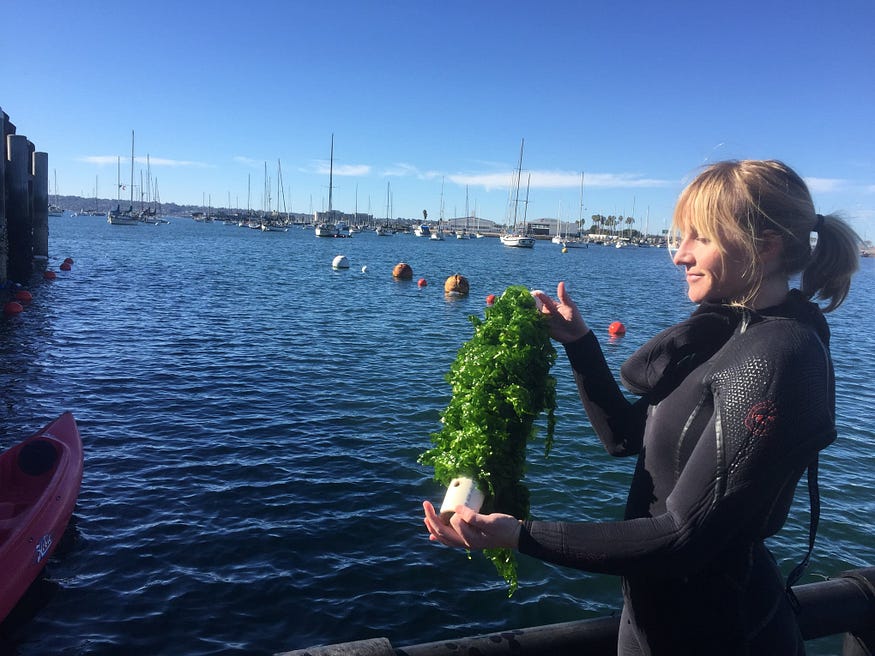
    We have had several success stories emerge from the Blue Economy Incubator. One example is Sunken Seaweed. Sunken Seaweed is an aquaculture startup company led by two marine ecologists committed to pioneering sustainable seaweed aquaculture in San Diego. Under the Port’s Blue Economy Incubator, the company established a seaweed pilot farm in San Diego Bay using a method of ocean farming that includes ropes, buoys, and anchors attached to existing pier pilings.

    Recently the Port reinvested into Sunken Seaweed’s project so they could scale their seaweed farm and eventually sell their seaweed to chefs, food production and distribution companies. They are also exploring a range of products including fertilizers, human food supplements, and livestock feed additives.

    Sunken Seaweed is a seaweed farming operation located in the Port of San Diego. (Port of San Diego Facebook)

    Another success story is a company called ECOncrete. Nearly two years ago, ECOncrete installed 74 bio-enhancing concrete tide pools that mimic natural rock pools at two sites along San Diego Bay’s Harbor Island. So far, this pilot project is showing promising results. Monitoring efforts so far have indicated the project is an innovative win-win approach to coastal protection by providing resiliency and adaptation strategies in an urban environment while simultaneously enhancing valuable marine life.

    What do you see as the biggest opportunities within the Blue Economy? What role does the Port play in filling these gaps, and in the future of the Blue Economy?

    Ports are indeed uniquely positioned to act as catalysts for the Blue Economy and to take advantage of the future opportunities of the Blue Economy, and in this regard the San Diego region is gaining both national and international attention.

    The Port is at the forefront of the environmental challenges associated with climate change and coastal development. And to adapt, the Port is leveraging the use of innovative technologies and collaborations with business partners and communities, to revolutionize how to be environmental champions, and protect coastal ecosystems in a way that is mutually beneficial to the economy, environment, and our communities. As champion of the Blue Economy, the Port is committed to enhancing San Diego Bay and its tidelands through innovative partnership opportunities. Like Santa Clara Valley came to be known as Silicon Valley, San Diego Bay could one day come to be known as the Blue Technology Bay.

    How does the Port balance economic development and growth with environmental concerns?

    We believe we can grow the economy and improve and protect the environment around us. The two concepts are not mutually exclusive. For instance, technology like shore power allows cargo and cruise vessels to plug into shore power while at berth rather than running their engines. This helps reduce air quality impacts while keeping the supply chain moving and tourism thriving. We’re also working to electrify cargo handling equipment. This year, we’ll be the first port in North America to get all-electric dual mobile harbor cranes. They will replace our current diesel-powered crane, which is our most polluting piece of cargo handling equipment. In addition to the environmental and public health benefits, the new crane system will represent the heaviest lift capability of any crane system currently in place on the West Coast and will enable the Port to attract additional business opportunities due to the increased maximum lift capacity — up to 400 metric tons (MT) versus the 100 MT lifting capacity of the Port’s diesel crane. Most of the heavy-lift cargoes destined for this region weigh more than 200 MT, including larger pieces of solar, wind, and industrial energy equipment as well as project cargoes. The new cranes will allow the Port to compete for more business and better serve our existing operations when crane movements are needed.

    Looking to the future, what do you see as the future for ocean-based economic development? Are there any specific opportunities and risks that the Port is looking to navigate in the future, both near and long term?

    The future of ocean-based economic development is very bright and exciting. The global “Ocean Economy” is growing. It is valued on a conservative basis by the Organization for Economic Cooperation and Development (OECD) at $1.5 trillion (2010) and growing to $3.0 trillion by 2030. Ocean development is driven by curiosity, ingenuity, and tenacity and many very smart people are working hard to solve some extremely difficult problems. We anticipate we will be rich in opportunities.

    A risk to potentially consider is that development will be directed by the public’s acceptance of these concepts and the ease at which regulatory considerations can be established. Will we be ready to appropriately address the planning and permitting work that will be necessary? The Port is leading the way in this arena by stepping up to engage with local stakeholders and work with regulatory agencies during planning and permitting phases. The Port’s communication and transparency are critical to the success of the project but also help inform others seeking to deploy new technologies.

    Can you discuss any upcoming initiatives or projects related to resilience that the Port has a hand in?

    Aside from the Blue Economy Incubator projects the Port is working on, the following resilience-related projects:

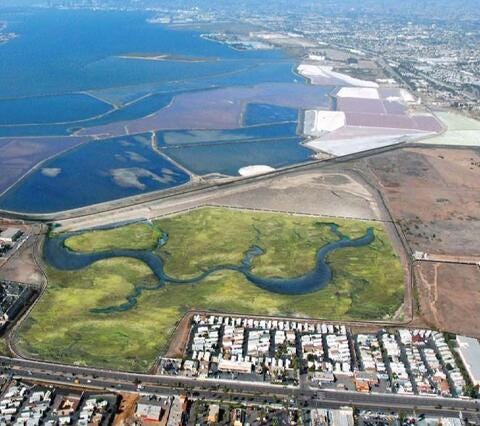
    · Pond 20— an 85-acre proposed wetland mitigation bank to restore coastal saltmarsh habitat with the added benefits of carbon sequestration and ecological enhancement, among others.

    · Native Oyster Living Shoreline Project— created oyster reefs to recruit native oysters, prevent shoreline erosion, and help with carbon sequestration.

    · Shellfish & Seaweed Aquaculture Planning — initiating the planning effort to review shellfish and seaweed farming for purposes such as food production, restoration, water quality improvements, biodiversity enhancement, and carbon sequestration.

    Pond 20 Restoration (Photo from Port of San Diego)

    Other than applying to be a part of the incubator, what are some ways that the local community can get involved with your efforts?

    We have a fun campaign called “That’s My Bay” to inspire people to help us improve our bay’s water quality and to also help the sea life in it thrive. Through a series of videos with lovable characters like Lil Wrapper and Trash Trooper Trish, we provide people with helpful tips and suggestions to help keep our waterways clear of trash, debris, and pollutants. Check it out here.

    What are the best ways for people to learn more about the Port of San Diego, your work in the Blue Economy, and the companies that are in the incubator?

    Our website is a great place to start. We also have some fun videos on our YouTube channel. If you’re on social media, follow us on FacebookLinkedInTwitter, and Instagram.

    Want to learn more? Go more in depth here:
    Port of San Diego Website

    Port of San Diego YouTube

    Port of San Diego Instagram

    Blue Economy Incubator Website

    Blue Economy Incubator on Al Roker

    Blue Carbon Project

    Sunken Seaweed

    ECOncrete

    Pond 20

    Native Oyster Living Shoreline Project

    Shellfish & Seaweed Aquaculture Planning

    Thank you to Port of San Diego Board of Port Commissioners Chairman Rafael Castellanos, as well as Gabriella Rodriguez and Brianne Page for their help with this interview.

  • Zero-Waste Grocery Stores and the Future of Food: An Interview with Katie Fletcher of Local Scoop

    Zero-Waste Grocery Stores and the Future of Food: An Interview with Katie Fletcher of Local Scoop

    What does the future of grocery stores look like to you? To Katie Fletcher, it looks a lot like the Local Scoop, a zero-waste, bulk grocery store located in Encinitas, California. Katie started Local Scoop in 2022 after studying abroad and getting used to shopping at healthy bulk food stores — stores that she couldn’t find in the United States.

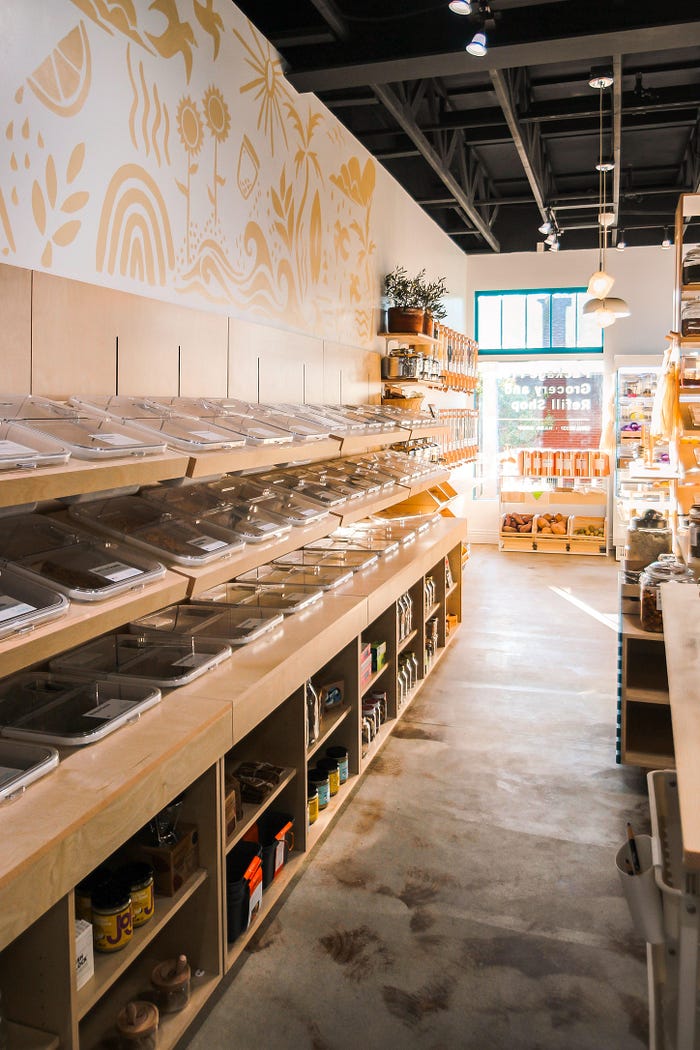
    Local Scoop provides products ranging from bulk spices and herbs, to flour, pasta, grains, teas, and even household and kitchen products like microplastic-free sponges. There’s no packaging at all in the store — customers bring their own jars and bags to house their purchases, and pay entirely based on weight. The entire process is quick and simple, and focused on not just providing healthy, natural options, but completely eliminating plastic and single-use containers and goods from the shopping experience.

    In the interview below, we explore topics like the future of grocery stores, building resilience in your food choices, obstacles in starting a business, and the importance of community support!

    If you’d like to learn more about Local Scoop, check out their websiteInstagram, or Facebook.

    I’m chiefly interested in the concepts of resilience — personal, communal, and societal. Your store seems to hit on all of these fronts — creating personal and communal resilience through sustainability and zero waste, with an eye towards ultimately creating a resilient society. What does the concept of resilience mean to you?

    To me, resiliency means adapting and returning from challenges while staying true to my values and goals. In the face of adversity (to the business, the planet, etc.) I remain determined, persistent, and passionate about positively impacting the environment and society. Since the beginning, I have not been afraid to take risks, try new things, and learn from my mistakes, all while staying committed to sustainability and ethical practices.

    I never know what is around the bend for me, both positive and negative. Despite the uncertainty, building a sustainable business takes time and effort. Still, I am more than willing to invest everything I have to create a better future for myself, my community, and the world around us. Ultimately, resilience to me means leading by example and embracing all opportunities to be a trailblazer, inspire others, and make a difference in the world.

    What are some ways that you’ve tried to build resilience in your own life?

    I’ve always been an athlete, playing D1 soccer at Yale and testing the waters in triathlon in the years since graduation. These experiences have led me to be very comfortable with the uncomfortable. I take a lot of pride in my ability to remain calm despite things being scary, stressful, painful, or overwhelming. I do feel all of these things, often and deeply. But I feel unwavering in my ability to stay the course, take a deep breath, and continue putting one foot in front of the other. I am extremely focused and goal oriented, both attributes that unsure I will absolutely never give up on things I care a lot about once I have set out to do them.

    You’ve had an interesting background with an emphasis on health and nutrition, but with a stint as a marketer as well. How have these past experiences helped you with your efforts at Local Scoop? Was there anything that you were surprised translated? Was there anything that didn’t translate at all as you transitioned to opening your own business?

    I think every experience I’ve had professionally before Local Scoop has benefitted my process in one way or another. Being at a non-profit instilled a desire to do meaningful, challenging work that aligns with my current job. Start-up culture later taught me the value of dynamism and the ability to wear many hats and juggle many balls.

    I like working with a team, but entrepreneurism can be a lonely pursuit. Before hiring store associates, I craved the camaraderie of shared goals, teamwork, and brainstorming. I have had help from friends and family since day one, but hiring Local Scoop-exclusive employees has been a gratifying experience.

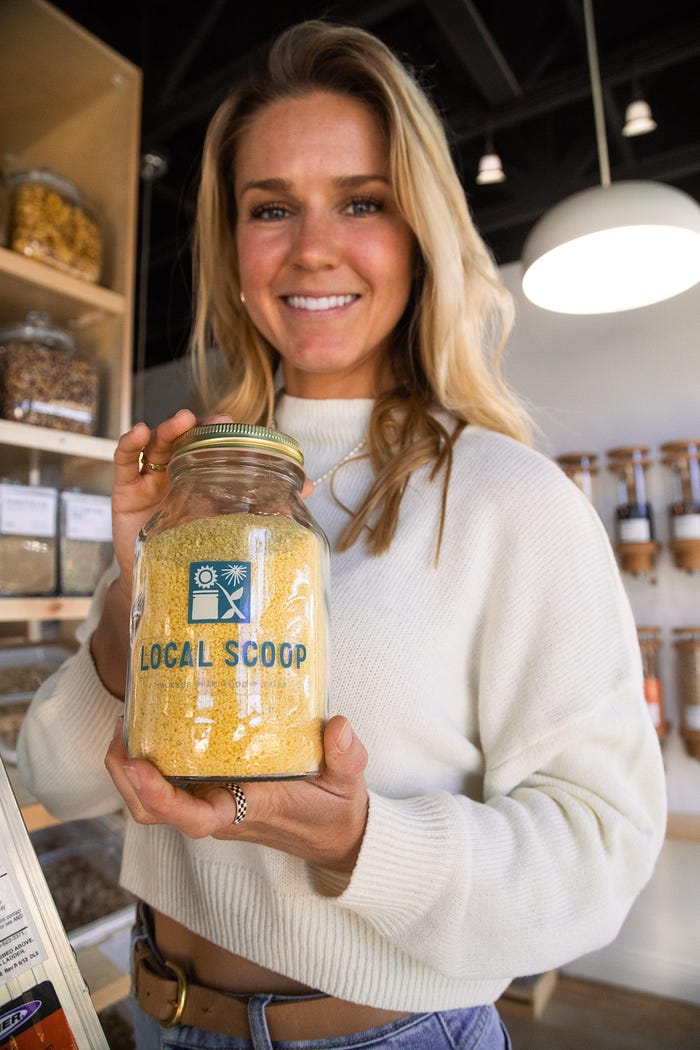
    Katie Fletcher started Local Scoop after being unable to find a healthy, zero-waste grocery store in San Diego. (Photo from Local Scoop Instagram)

    What was the biggest obstacle in opening The Local Scoop? How did you overcome it?

    The biggest obstacle in opening Local Scoop was getting the right permits! Working with the city and county can be a really daunting task that you want to get right the first time around. It can be a waiting game, that is for sure, but it is essential and I am grateful for the learning experience.

    How has community support been for The Local Scoop?

    Support from the community has been and continues to be one of the most rewarding experiences of my life. Almost weekly, customers come in to “thank me” for bringing this to our community or to tell me, “we’ve been waiting for this for so long!” These kinds of comments mean the world to me. Our grand opening was also a resounding success beyond what I could have imagined. The business continues to grow monthly, so I think the community is starting to learn about us and our ethos and support us!

    What challenges do you foresee in the future? What opportunities?

    I think it will be an ongoing challenge to educate the community on why they should care about shopping package free will be ongoing. Helping customers see how bringing their own containers can be simple, affordable, and sustainable is a big task, but I am definitely up to the challenge. I see opportunities to expand our current space or expand into additional locations so we can spread the message of zero-waste and empower our customers to do more with less plastic.

    I’d imagine that the concept of a “Zero-Waste grocery store” is new for a lot of people. Can you talk a little bit more about what that entails? How have you been working to educate this concept to the general public?

    I have been continually trying to move my life towards a plastic-free, zero-waste one, so I feel confident in my ability to speak to those experiences and be seen as a resource towards others at any point on their own zero-waste journey. Of course, the concept is novel — but that isn’t necessarily a bad thing! People come in and are so excited and receptive, often saying things like “wow, this just makes so much sense!”

    I will continue these efforts through myself and my employees through the store, and also attend as many community events as possible throughout the year. Encinitas has a lot of sustainability and zero-waste focused events, so it is a great space to start and continue the conversation!

    What do you see as the future of grocery stores?

    I genuinely believe there is no way grocery stores can continue to operate the way they do right now. There is SO much waste and an absurd amount of plastic. Consumers are becoming more engaged around conversations regarding food and packaging waste. Finding ways to address both of these concerns simultaneously is key. Local Scoop does this by allowing customers to bring their own reusable containers and offering a “buy as much or as little as you need” model. It really is a win-win.

    In recent years, there seems to be a movement towards keeping food minimally processed and staying local. Would you agree with that assessment? What do you see as the future of food?

    Absolutely. Customers are exhausted by the confusing, misleading, and often contradictory messages about what is and isn’t healthy. Every month it seems there is a new food that is either killing us or helping us live forever. It is all overwhelming. By stripping food down to just a few, recognizable, easy to read and pronounce ingredients, we are able to eat foods that are good for us and the planet. It is “food in the nude,” and it isn’t confusing or opinionated.

    I’d imagine the concept of a package-free grocery store would have been tough to operate during the Covid years. How have you worked to build resilience into your business model?

    We weren’t open during COVID, but that would have been very difficult. I believe we would have moved the business towards allowing customers to order online in the quantities they need for themselves and their families, and then we would prepackage them in our compostable paper bags or in jars from our jar recycle program for pick up or delivery.

    What’s your favorite item that you stock? Has there been anything that you’ve been surprised has done so well?

    I absolutely love our pulp chips, which are made from the recycled pulp produced during the commercial juicing process. This delicious, nutrient dense pulp was being thrown away until a female-founded company in Los Angeles started collecting this pulp and repurposing it into the most delicious, addicting chips.

    I have been really surprised that dark chocolate pretzels have been such a big seller for us! We also sell vegan, gluten-free, local raw protein balls that literally fly off the shelves. I definitely would not have predicted that!

    Those protein balls really are great — my wife loves them! What are some tips and tricks you can give towards others working to achieve Zero Waste in their own lives?

    I always recommend that people use what they already have until the end of its usable life. There is no need to get rid of your plastic toothbrush, sponge, hairbrush, etc. if it is still in working condition. However, once an item can no longer be used, it would be wonderful to replace it with a more sustainable product, such as something made from bamboo.

    “Finding ways to address both food quality and packaging waste is key.” (Photo from Local Scoop Instagram)

    What are some ways that others can build resilience in their own life, especially with regards to food systems?

    I think being educated on where your food comes from and what values are important to you regarding farming, food waste, and regenerative agriculture are a great place to start. If you don’t know where your food comes from or what is the state of the food system in our community and beyond, you probably won’t care much about the negative or positive impacts your choices can make. You can build resilience to corruption simply through the purchasing power of your dollar and where you chose to spend it when it comes to food.

    What’s next for The Local Scoop?

    Many spring and summer events to bring together the community with local food purveyors and awesome members of our food system!

    What are the best ways for people to learn more, and support you and The Local Scoop?

    Come visit us in the store! Our hours are Monday — Friday 11–7, and Saturday — Sunday 10–6. You can also visit our websitesend us an email, or follow us on InstagramTik Tok, and Facebook.

    Want to learn more? Go more in depth here:
    Local Scoop Website

    Subscribe to their newsletter

    Facebook

    Instagram

    YouTube

    Twitter

    Tik Tok

    Interview with The Coast News

    Interview with Del Mar Times

  • Turning Waste into Electricity and Clean Water: An Inside Look at Aquacycl

    Turning Waste into Electricity and Clean Water: An Inside Look at Aquacycl

    Recently, I had the chance to sit down with Juli Iacuaniello, the Marketing Director at one of San Diego’s most cutting-edge startups, Aquacycl. Focused on providing modular, affordable wastewater treatment through an innovative modular, microbial fuel cell system that turns waste into electrical energy and clean water, this company is on the front lines of building resilience into our communities, society, and infrastructure.

    In the interview below, we explore the ideas of building resilience into a company culture and what it took to navigate through COVID, Aquacycl’s biggest successes, the San Diego startup scene, the role wastewater treatment plays in water access and the climate, and the importance of creating a product that isn’t just environmentally sound, but economically sound as well.

    If you’d like to see more about Aquacycl and their mission, you can check them out on LinkedIn or their website. You can also reach out to Juli personally if you’re interested in learning more!

    I’m chiefly interested in the concept of resilience — personal, communal, and societal. What does resilience mean to you and how does it align with Aquacycl’s mission?

    Our mission is to provide sanitation and clean water for people that don’t have it. There are over two billion people in the world that have no access to sanitation that is safe and reliable — more people have access to a cell phone than a toilet! When Aquacycl was started, the mission was to address this sanitation and clean water gap.

    In the global south especially, a lot of people don’t have the infrastructure for sanitation or clean water. Where we want to be in three, five, or seven years is to be able to provide modular, rapidly deployable mobile or permanent systems for sanitation. People that are displaced from natural disasters are oftentimes put into horrible situations, into refugee camps where they don’t really have the amenities that you or I would think of on a daily basis. Being able to rapidly deploy modular systems that can address that gap is one opportunity to build resilience in the face of disaster in areas that need it the most.

    We were founded with a goal of off-grid and off-energy sanitation. Eventually (and I say eventually because we aren’t quite there yet) that’s where we want to be. We aren’t rebuilding the old centralized model. We aren’t just replacing the old systems with how they were build 50 years ago. We are actually coming in with new technology that can address the problems in front of us without adding to the problem, without requiring additional infrastructure, and without requiring huge capital investment to build out the new infrastructure. We can build this new technology and infrastructure in a way that can reduce the impact of natural disasters and the sanitation gap, and build resilience in communities that are most vulnerable to natural disasters around the world.

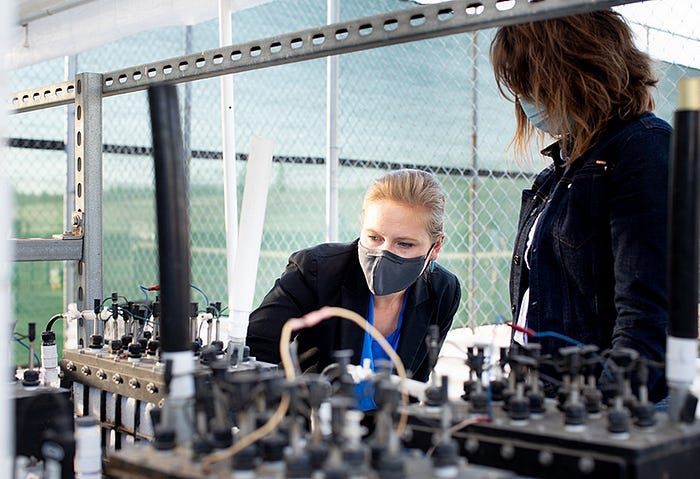
    Aquacycl CEO, Orianna Bretschger, examining their technology.

    Startups are notoriously vulnerable to risk. Can you talk about some of the obstacles that you have overcome thus far? How have you worked to build resilience within your company culture to continue to identify, as well as overcome, potential setbacks?

    I’d say the number one obstacle was COVID. I had joined maybe six months before COVID hit, and everything started shutting down. Schools shut down, businesses were closing — that was a really challenging time for AquaCycl. We were in the middle of raising money! We were trying to get customers and we were calling on companies that also basically stopped everything.

    Our CEO and founder, Orianna Bretschger, is tremendous. She responded very quickly to try to keep the company alive. During that time, Aquacycl pivoted a little bit, since we now had excess capacity — we used our lab space to make hand sanitizer and get it to first responders. And the several of us who had been furloughed while trying to understand what was happening believed so strongly in the mission and vision of the company that we actually kept working to try and bring it to fruition!

    But other than that, since there was a couple of us on the sales and marketing team that were still working through the shutdown, we actually ended up closing our first commercial contract.

    I think that the reasons we were able to pull through the COVID shutdown were because we believed so much in both the mission of the company and the value of the technology — both its industrial value and the long term value.

    Over the last couple years, we’ve closed our Series A and used this money to prepare for the next phase of growth. We are moving from startup to scaleup, so we have brought in new team members who can put in place the processes that will allow us to grow — but we’re making sure that we still have a culture of putting the customer first and getting things done quickly.

    Would you say that part of what helped Aquacycl get through the COVID pandemic was a hyper focus on the company’s vision and mission statement?

    Yes, absolutely.

    I think the people who work at Aquacycl are excited to be here because of the vision and because of the game changing technology we are building. This is cool technology where you take, these little batteries, basically, and the microbes are both cleaning the water and producing electricity. I think people here really are excited about the technology, and they’re excited about the mission.

    I’d also say people like working here because, while it’s a small team still, it still has great comradery. We really haven’t had much turnover at all. There have been a couple people that came in and out, but for the most part, our team has stayed pretty consistent.

    So I think it comes down to the mission, the technology, and the people who are here. We’re really careful about hiring the right people, and hiring for fit rather than necessarily hiring the absolute most qualified. Our CEO is extremely careful about hiring for cultural fit within our company.

    https://cdn.embedly.com/widgets/media.html?src=https%3A%2F%2Fwww.youtube.com%2Fembed%2FIxsG8G0YTEE%3Ffeature%3Doembed&display_name=YouTube&url=https%3A%2F%2Fwww.youtube.com%2Fwatch%3Fv%3DIxsG8G0YTEE&image=https%3A%2F%2Fi.ytimg.com%2Fvi%2FIxsG8G0YTEE%2Fhqdefault.jpg&key=a19fcc184b9711e1b4764040d3dc5c07&type=text%2Fhtml&schema=youtubeTake a deeper look into Aquacycl’s technology with this video!

    Can you talk about your biggest success that you’ve had with Aquacycl thus far? What helped you achieve it?

    There have been several significant achievements for us! From a commercial standpoint, one of our biggest successes has been our partnership with PepsiCo, where we are working at their site to treat wastewater from their process. They have been a tremendous partner for us. After an initial pilot, we expanded to a multi-year commercial contract, with clear KPIs that track system performance, environmental impact and cost savings. Another big success for us last year was expanding into new industries, notably hydrocarbon remediation, where we validated that we can remove really challenging compounds.

    I’d say another success is the recognition that we’ve received from various awards and media, which has increased the visibility of what we are trying to achieve. Some of these included our CEO receiving the Cartier Women’s Initiative Laureate in STEMImpact Company of the Year by Startup San Diego, a nominee for Fast Company Next Big Things in Tech, and many others. We have also received coverage in Forbes and Fast Company, and various trade and business journals. These successes are a testament to our progress as a small company and provide the validation and social proof that our product is excellent, as well as customer satisfaction validation.

    We’ve had amazing support over the past few years that has helped us to grow the company to where it is. We’ve participated in a number of accelerators, including Imagine H20Xylem Innovation LabsGoogle for Startups100+ Accelerator (sponsored by AB InBev, The Coca Cola Company, Unilever and Colgate-Palmolive), Unreasonable ImpactCreative Destruction LabPlug and Play, and The Circulars. These have been key to our successes, as they help connect us with investors, customers and potential channel partners.

    San Diego is well regarded for our burgeoning biotech scene. Does being part of such a community help as you work to grow your company and innovate in your own space? Have there been any surprising drawbacks?

    No, it’s a good question, but I think that Orianna (our CEO) could probably provide a more detailed response. From my perspective, however, the San Diego community has been incredibly supportive of Aquacycl. I first met Orianna about four years ago at a pitch event organized by Hera Labs, which is now known as Stella. They do a lot to support female entrepreneurs. Orianna won the pitch contest, and went on to win the San Diego Angel Conference, where Aquacycl was the first company to secure seed money and visibility.

    The San Diego startup community, although not exclusively focused on biotech, has been a tremendous support to us. We are a biotech company, but we are not a traditional one. Nonetheless, the community has shown a strong desire to help startups grow by providing connections and inviting us to events. Overall, I cannot speak highly enough of the startup community in San Diego that has supported us!

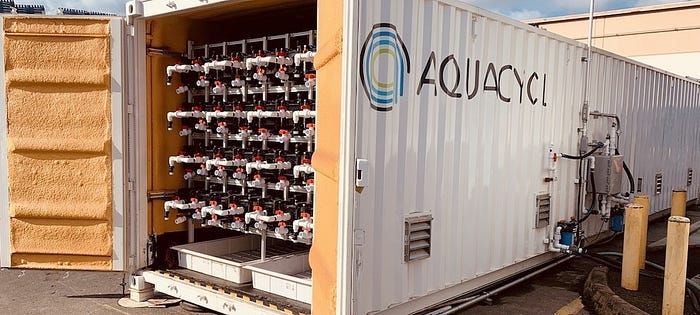
    A look at one of Aquacycl’s modular wastewater treatment service units.

    Global water use is suspected to grow between 20–50% in 2050. Can you talk about Aquacycl’s role in helping mitigate the risk that dwindling water access poses to our communities?

    The big issue in the West is water scarcity, and I believe our solution has the potential to address this challenge. By treating water at the source, we can enable water reuse and reduce the amount of blue water required, which in turn alleviates water scarcity for everyone. Industrial companies are heavy water consumers, so reducing their water footprint can have a significant impact. For instance, clean water can be reused for non-product contact applications such as washing floors, toilets, and tanks. This approach reduces the need for freshwater while addressing concerns around food safety.

    Water scarcity is a significant driver for us, and it underscores the need for resilience in ensuring that water is available for everyone. We must prioritize water availability to avoid situations where people are forced to relocate because of water shortages. While small actions such as turning off the tap while brushing teeth can help, large-scale water conservation efforts by companies can make a significant difference.

    Looking to the future, what do you see as the future for Aquacycl? Are there any specific opportunities and risks that you are looking to navigate in the future, both near and long term?

    In the near future, our focus will remain on expanding our industrial customer base since we believe that’s where we have the strongest value proposition. However, our long-term goal is to return to sanitation and distributed sanitation, and we’re actively working towards that end. The challenge that our customers face is that while they have funds allocated for their operations, waste management is a necessary expense. The real challenge lies in meeting their aggressive sustainability goals related to water and climate, which requires reducing greenhouse gas emissions.

    Our aim in the next two to three years is to achieve a stronger penetration rate and quantify our contribution to improving water quality. Currently, a vast amount of wastewater, ranging from 56% to 80%, depending on the source, is discharged untreated into the environment. This is a significant environmental problem since the wastewater sector is already responsible for 4 to 5% of global greenhouse gas emissions. Our goal is to address this issue and make a tangible impact by expanding our reach.

    We’re also looking to expand into the European market, replicating our North American success. We see many opportunities in multiple verticals and waste streams, including pharmaceutical and hydrocarbon wastewater.

    Finally, technology plays a crucial role in our growth plan. Our CTO (who actually just walked by!) has a roadmap for the development of our technology, and we’re working hard to make it a reality.

    Aquacycl’s value proposition seems to be that not only is it greener and more efficient, it saves companies money. Can you talk about the importance of not only creating environmental resilience, but economic resilience as well?

    That’s a really insightful question — all too often we focus solely on the environmental benefits of a particular initiative, and fail to take into account the economic factors that drive businesses. Ultimately, our clients are in the business of generating profits for their shareholders, which is the fundamental principle on which our society is built. In our numerous conversations with various companies, we have found that unless an initiative can deliver both economic and environmental benefits, it cannot be effectively marketed on the basis of environmental benefits alone. While there may be some niche areas and technologies where the environmental benefit alone can drive sales, for the most part, companies require a solution that delivers operational savings as well as sustainability benefits.

    This approach is driven by the fact that if an initiative costs a company a significant amount of money without delivering a commensurate return, it will be viewed unfavorably by investors. In the consumer packaged goods (CPG) industry, which is known for its competitiveness, margins are crucial. If the margins start to slip, investors will take note, and this could have serious consequences for the company’s long-term viability. Therefore, any sustainability initiative must deliver a dual benefit in order to make sense from a business perspective and ensure the longevity of the company.

    Want to learn more? Go more in depth here:
    Aquacycl Website

    Aquacycl LinkedIn

    Aquacycl and PepsiCo Case Study

    Aquacycl in Forbes

    Aquacycl in Fast Company

    Circular Economy Overview